Advanced heat recovery solutions
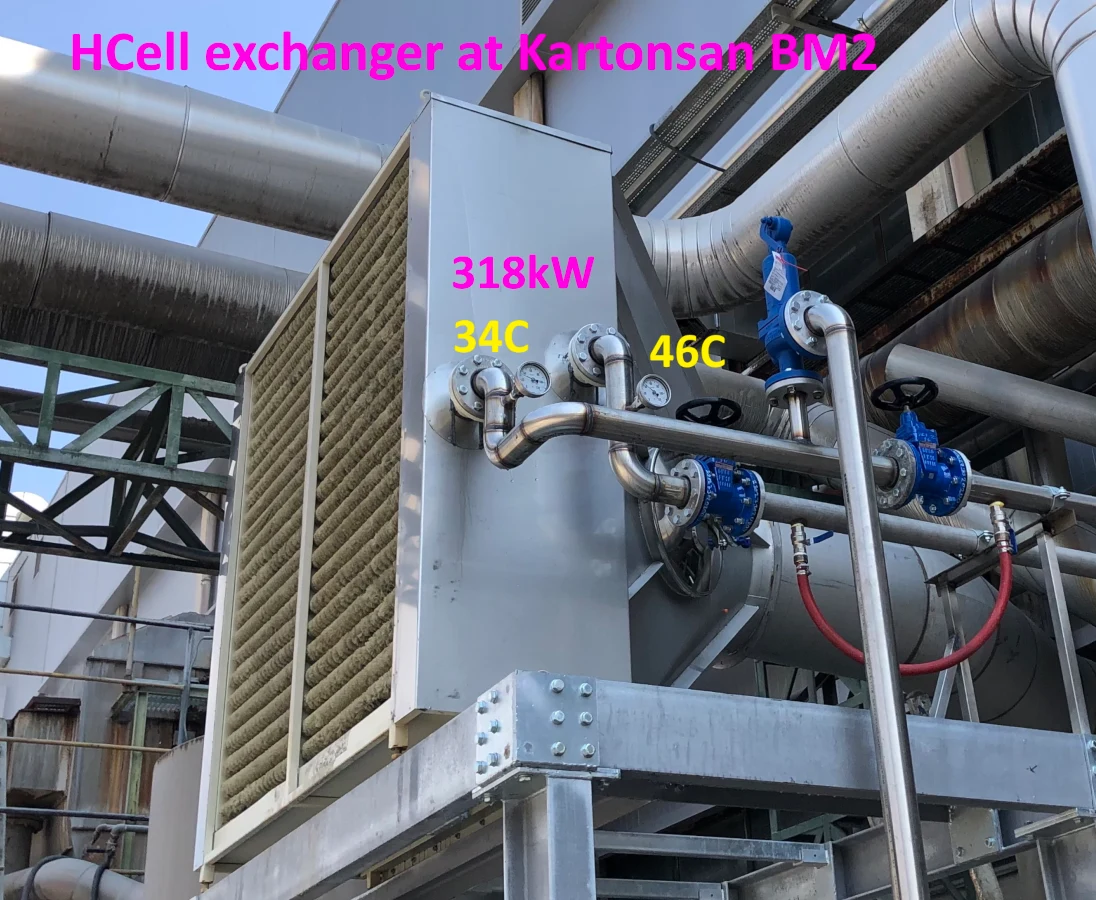
From large commercial buildings and restaurant kitchens to industrial applications, Hydrocell heat exchangers handle dusty and demanding exhaust air.
Efficient, low-maintenance thermal management solutions for heat recovery, heating and cooling.
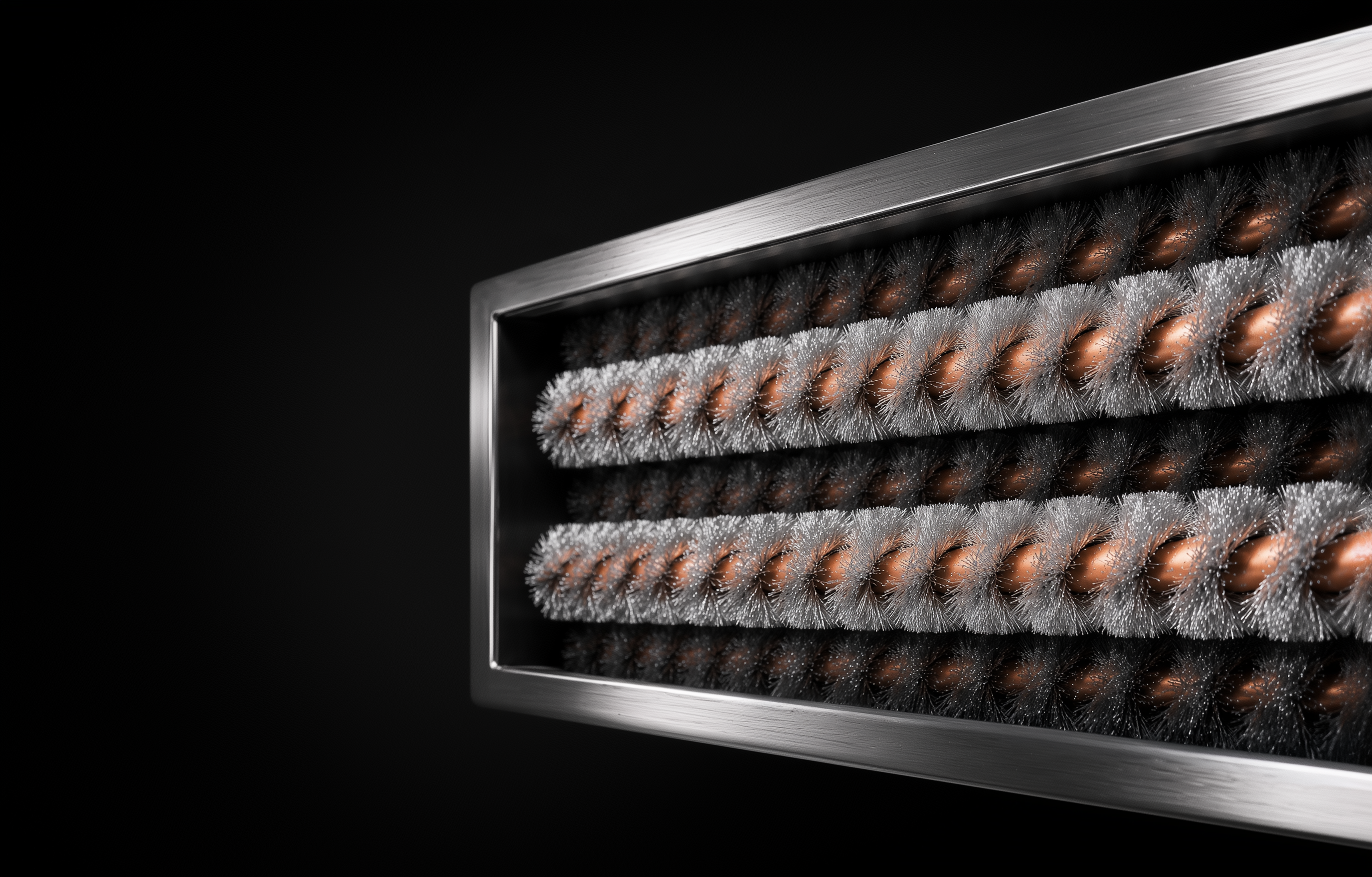
Contact HydrocellThe unique construction of Hydrocell’s brush-type heat exchangers allows them to be formed into almost any shape, providing an economical, space-saving solution.
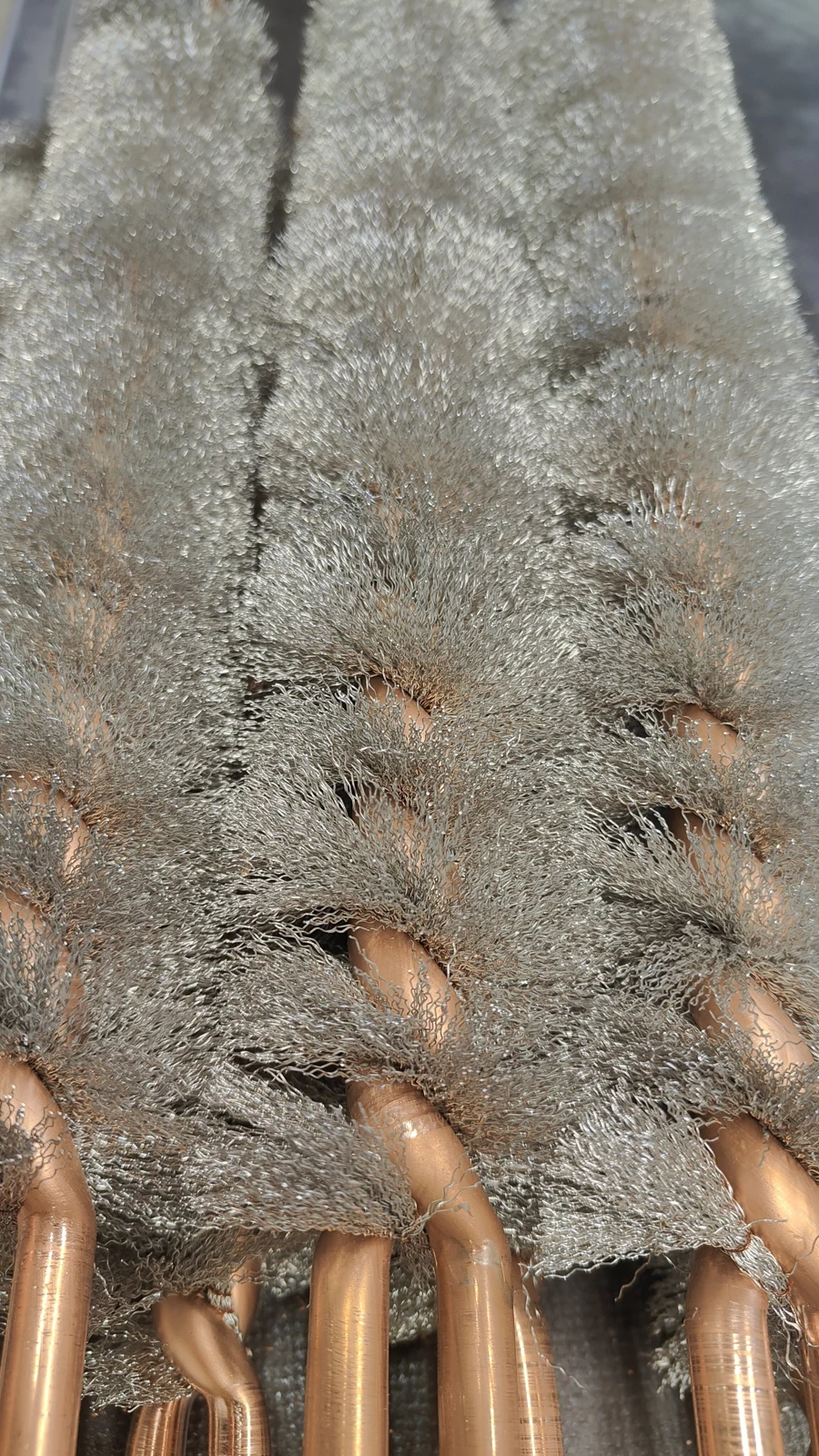
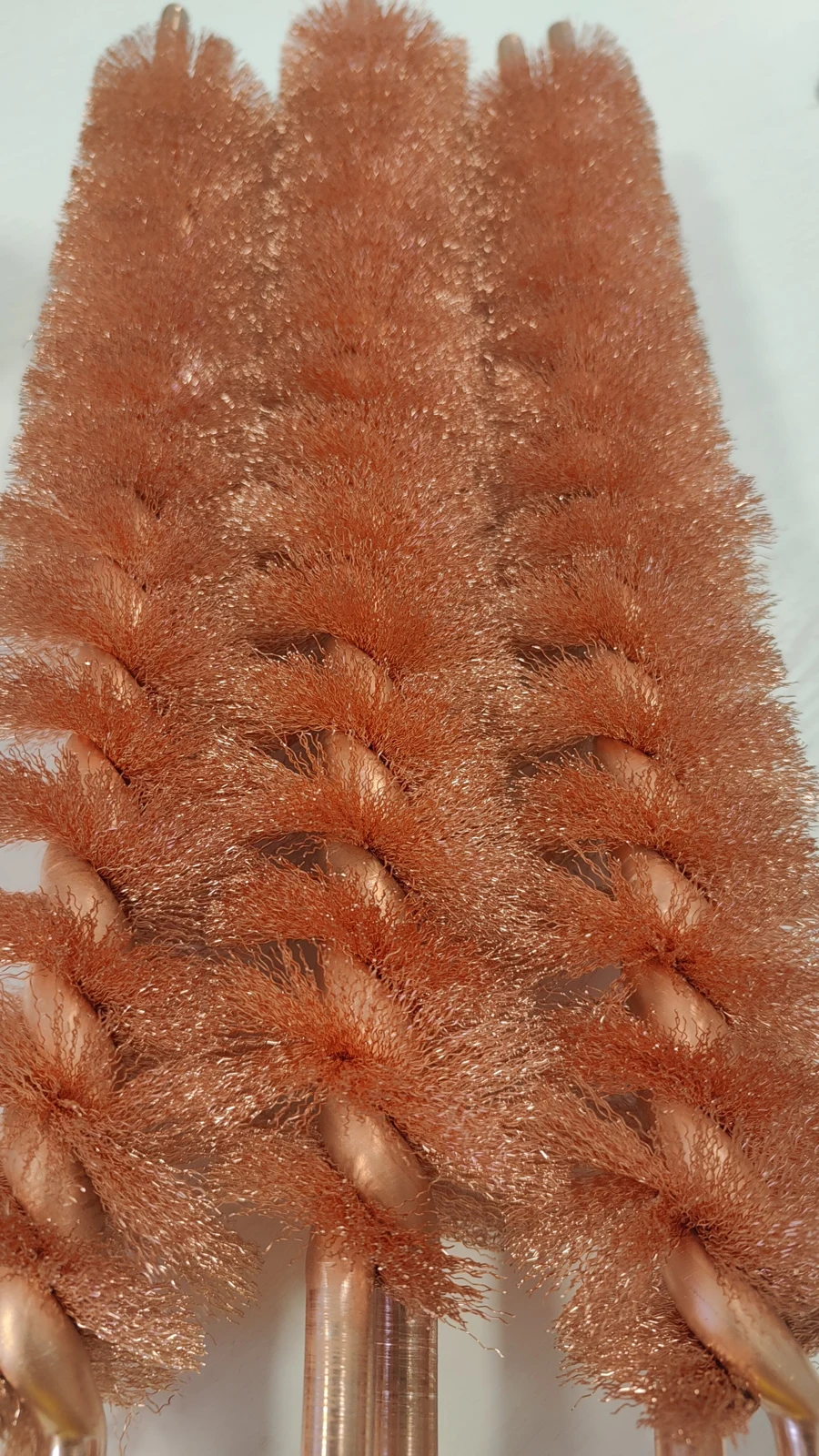
They are also well suited to dirty air. The brush structure resists clogging, and pressure loss remains low because air can find new routes through the fibres.
A large heat transfer surface supports efficient energy recovery.
Very low air-side pressure loss saves fan energy.
Dirt does not easily clog the exchanger. The brush structure can handle dirty exhaust air without pre-filtration.
Designed for heat recovery with heat pumps, including operation without freezing in the intended application.
From large commercial buildings and restaurant kitchens to industrial applications, Hydrocell heat exchangers handle dusty and demanding exhaust air.
The brush can be made of aluminium, copper or stainless steel. For aggressive environments, a special coating provides protection against dirt build-up and corrosion.
The central tubes carry refrigerant, brine or water. Tube materials include copper and stainless steel, with designs available for pressures up to 180 bar.
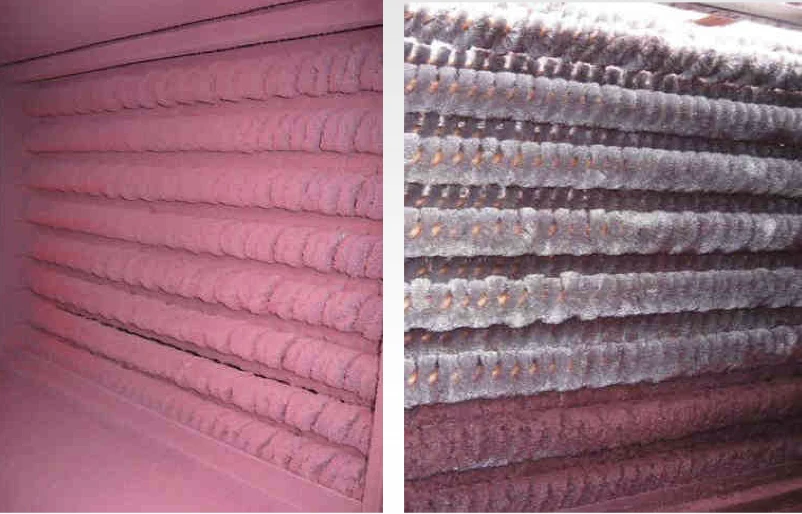
Air can pass through the brush structure even when dirt accumulates on its surface. Low pressure loss and resistance to clogging help keep maintenance needs low.
Contact Hydrocell
Tell us about your airflow, operating temperatures and installation space.